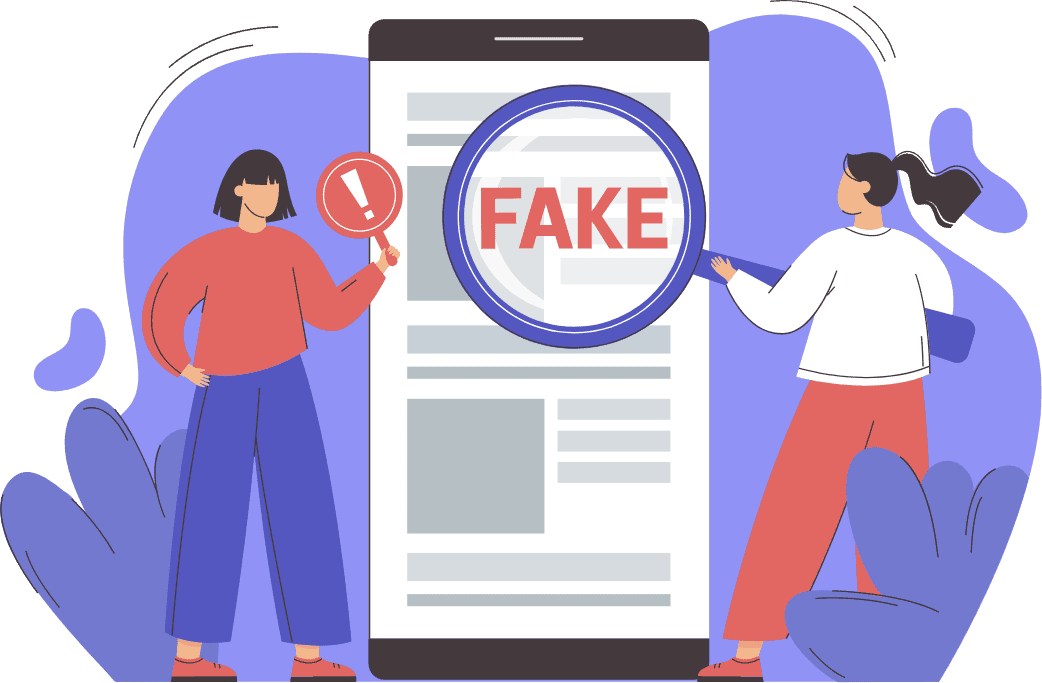
The digital landscape is flooded with an overwhelming amount of spiritual and esoteric content, making it increasingly difficult for enthusiastic beginners to separate genuine wisdom from commercial deception. When you start exploring the symbolic meaning of numbers, a simple internet search often leads to a chaotic mix of clickbait articles, high-pressure sales funnels, and automated generators that promise to reveal your destiny for a hidden fee. This mass commercialization has made the task of finding trustworthy numerology resources online a major challenge for anyone seeking serious self-reflection. Misinformation in this space does not just waste your time and money; it can also distort your self-perception and create unnecessary anxiety about your life path. Understanding how to evaluate the credibility of online material is an essential skill that protects your emotional well-being and financial boundaries. This comprehensive guide strips away the predatory marketing tactics and provides a clear, logical framework to help you identify authoritative sources, verify historical accuracy, and build a reliable independent study practice grounded in philosophy and critical thinking.
The Proliferation of Digital Misinformation in Esoteric Spaces
The explosive growth of social media platforms and automated content creation has radically shifted how metaphysical knowledge is shared and consumed globally. Historically, studying the qualitative meaning of numbers required consulting dense library archives, cross-referencing ancient philosophical texts, or learning directly from experienced researchers who spent decades analyzing patterns. Today, sophisticated algorithms prioritize sensationalism, emotional triggers, and shocking headlines over historical accuracy and academic rigor. This environment allows content farms and unqualified marketers to copy, paste, and dilute complex systems into oversimplified, generic blocks of text designed solely to capture your fleeting attention and generate ad revenue.
This rapid dilution of knowledge directly harms readers by fostering a culture of superficial understanding and unnecessary fear. For instance, a beginner might encounter a poorly researched article claiming that a specific number combination in their chart represents an unavoidable financial curse or a terminal relationship failure. Because the human brain naturally seeks patterns and meaning, the reader may experience immediate anxiety and begin sub-consciously altering their real-world choices based on completely fabricated claims. To avoid these psychological traps, you must understand that the modern online esoteric ecosystem is heavily commercialized, meaning that the most visible or highly ranked search results are often driven by aggressive search engine optimization rather than genuine expertise.
Identifying the Key Characteristics of Credible Research Platforms
Spotting a reliable and authoritative platform amidst the sea of digital clutter requires you to look closely at the underlying philosophy, editorial standards, and transparency of the website. A trustworthy resource will always present numbers as fluid psychological archetypes, developmental tendencies, and personal reflection tools rather than rigid, unalterable predictions of external events. Credible authors openly discuss the historical boundaries of their work, emphasizing that human free will, personal accountability, and conscious action always override any symbolic blueprint. They create a safe, educational space that encourages critical thinking rather than establishing a cult of personality or fostering an unhealthy emotional dependency on their insights.
Furthermore, authoritative platforms prioritize deep textual analysis and clear intellectual transparency over flashy graphics and dramatic promises. When you explore a high-quality educational site, you will notice that the content frequently cites foundational literature, explains the geometric derivations of specific formulas, and openly acknowledges when different historical traditions disagree on a particular interpretation. These platforms treat the study of number patterns as a serious intellectual discipline, presenting well-reasoned, balanced arguments that respect the reader’s intelligence. By focusing your attention on sites that value academic honesty, you protect yourself from manipulative marketing and build a sturdy conceptual foundation for your studies.
Evaluating the Credentials and Methodologies of Online Educators
Vetting the background and analytical methods of an online instructor is a crucial milestone in protecting yourself from unqualified gurus and fraudulent mentors. A legitimate educator will always display a transparent biography that outlines their years of study, their primary historical influences, and their practical experience in consulting or research. They do not hide behind anonymous internet personas or invent grandiose, trademarked titles that have no basis in historical traditions. True experts are humble about the limitations of their craft, openly stating that symbolic analysis is a subjective tool for self-discovery rather than an absolute, infallible science.
When assessing an online course or training program, pay close attention to how the instructor handles analytical disagreements and skeptical questions from their students. A predatory mentor often reacts defensively to critical inquiry, utilizing spiritual guilt or claims of divine revelation to silence student doubts and enforce absolute compliance. On the other hand, a professional researcher welcomes analytical skepticism, encourages students to test formulas against real-world data, and provides clear, logical explanations for their interpretive choices. By aligning yourself with teachers who prioritize intellectual freedom and transparent methodologies, you ensure that your educational investment yields genuine, useful skills.
The Danger of Automated Report Generators and Data Funnels
One of the most widespread and deceptive traps in the modern online esoteric space is the automated free reading funnel, which is designed to exploit your natural curiosity and gather your personal data. These platforms utilize polished user interfaces and interactive widgets that ask you to input your full birth name, exact email address, and precise date of birth to receive a complimentary personality summary. Once you submit this data, a computer algorithm instantly stitches together a series of pre-written, highly generalized text blocks that rely heavily on the Barnum Effect to make you feel as though a live psychic is speaking directly to your soul.
The real danger of these automated systems lies in their transition from flattery to psychological coercion. After delivering a superficial summary, the software will typically warn you that a major financial block or an impending life crisis is approaching your cycle, conveniently locking the solution behind a premium paywall. This calculated manipulation induces immediate anxiety, driving vulnerable individuals to spend hundreds of dollars on premium upgrades, hidden reports, or mass-produced talismans to avert a manufactured disaster. To safeguard your finances and emotional peace, you must treat these automated generators as basic entertainment tools rather than authoritative sources, always refusing to surrender your sensitive contact information to aggressive digital marketing loops.
Practical Strategies for Verifying Historical Accuracy and Lineage
Developing true fluency in symbolic analysis requires you to become your own fact-checker by learning how to trace online claims back to their verified historical origins. When you encounter a unique definition, a complex formula, or a predictive timeline on a website, do not accept it as absolute truth simply because it is beautifully formatted. Instead, take that specific claim and cross-reference it with authoritative literature from recognized academic archives, public libraries, and early twentieth-century textbooks. Legitimate Western systems are heavily anchored in the sequential Pythagorean framework, which has a well-documented lineage that can be verified through historical and philosophical documentation.
If an online resource introduces a sensationalized concept that has no record in traditional literature, you are almost certainly dealing with a modern marketing invention designed to stand out in a saturated digital marketplace. To execute this verification strategy effectively, build a small personal reference library composed of classic textbooks from respected researchers who prioritize manual chart construction over predictive fortune-telling. By developing the habit of manual calculation and independent cross-referencing, you break your reliance on digital platforms, allowing you to spot algorithmic errors and fabricated claims instantly while remaining firmly grounded in historical reality.
Comprehensive Summary of Online Resource Evaluation
| Credibility Metric | Trustworthy Online Resource Characteristics | Predatory or Misinformative Site Red Flags |
| Core Philosophy | Focuses on self-reflection, agency, and psychological archetypes. | Relies on fatalistic predictions, luck, and fear-mongering. |
| Data Requirements | Offers transparent calculations without requiring email storage. | Mandates sensitive contact info to unlock basic automated results. |
| Author Credentials | Displays clear biographies, research sources, and study lineages. | Hides behind anonymous profiles or fabricated spiritual titles. |
| Monetization Style | Charges transparent fees for clear educational courses or books. | Employs high-pressure upsells and hidden paywalls for safety. |
| Content Accuracy | Cross-references verified historical frameworks like Pythagoras. | Invents proprietary marketing terms with no historical record. |
| Student Interaction | Welcomes analytical skepticism and independent verification. | Reacts defensively to criticism and demands blind compliance. |
Frequently Asked Questions
How can I easily determine if a numerology website is genuinely authoritative or just a scam?
You can evaluate a website’s credibility by looking closely at how they present their conclusions and structure their monetization. An authoritative website will prioritize educational transparency, openly sharing the mathematical formulas behind their calculations and framing numbers as symbolic tools for self-assessment. They will never use fear-mongering tactics or claim that your birth chart carries an unavoidable curse. If a website immediately forces you to enter your email address to see basic results, or warns you of an impending disaster that can only be resolved by purchasing a premium report, it is a commercial marketing funnel designed to exploit your anxiety.
Why do some highly ranked Google search results contain misleading information about number meanings?
Search engine rankings are primarily determined by technical optimization, keyword placement, and marketing budgets rather than actual academic expertise or historical accuracy. Content farms and digital marketing agencies employ professional writers to generate hundreds of superficial articles designed to satisfy search algorithms and capture massive user traffic. These writers often copy and paste unverified fragments from alternative blogs without understanding the foundational systems, leading to a massive echo chamber of diluted information. To find accurate material, look past the initial sponsored links and seek out platforms that feature detailed author biographies and clear bibliographies.
Is it safe to enter my full legal birth name and date of birth into free online calculators?
While entering your birth date into a basic open-access calculator is generally safe, you should exercise extreme caution when a platform requires you to pair that data with your email address, phone number, or full legal name. Predatory platforms compile this sensitive data to build comprehensive digital profiles, which are often sold to third-party advertisers or used to target you with highly personalized, manipulative email marketing campaigns. If you wish to use an online calculator, ensure it displays your numbers instantly on the screen without demanding account creation or data submission, or simply perform the calculations manually using a pencil.
How do I verify if a specific modern interpretation of a master number has a real historical lineage?
To verify the historical authenticity of an interpretation, you must cross-reference the online claim with foundational early literature from respected twentieth-century pioneers such as Juno Jordan or L. Dow Balliett. Traditional systems view master numbers like eleven and twenty-two as intensified frequencies that require immense discipline, maturity, and personal responsibility to manifest constructively. If an online creator markets a master number as a magical guarantee of automatic wealth, effortless fame, or supernatural powers, they have abandoned historical philosophy in favor of sensationalized clickbait designed to flatter your ego and encourage impulsive purchases.
Can a resource be trusted if it blends numerology with alternative practices like astrology or tarot?
A resource that integrates multiple esoteric disciplines can be entirely trustworthy, provided the author maintains structural clarity and respects the independent rules of each unique system. Many legitimate psychological researchers utilize astrology, tarot, and number archetypes together because these frameworks share common cross-cultural symbolic roots, much like the archetypal patterns identified by Carl Jung. However, the platform must clearly explain where one system ends and another begins. If a website haphazardly scrambles different traditions together without explaining the underlying logic, it typically indicates a superficial understanding meant for shallow entertainment.
What should I do if an online mentor discourages me from reading books outside of their specific curriculum?
If an instructor or online mentor attempts to isolate you from outside literature or discourages you from verifying their teachings independently, you should exit their program immediately. This defensive behavior is a massive psychological red flag that points directly to a lack of genuine expertise and a desire to enforce emotional or financial control. Authentic educators are entirely confident in the structural validity of their material, actively encouraging their students to read widely, consult historical archives, question assumptions, and challenge interpretations through real-world data collection.
Are there any reliable digital open-source databases where I can study the history of numbers for free?
Yes, you can access an abundance of verified, historically accurate material completely free of charge by bypassing commercial blogs and exploring institutional digital archives. Academic platforms like Google Scholar, Internet Archive, and the digital collections of major university libraries contain fully scanned historical manuscripts, peer-reviewed papers on Pythagorean philosophy, and early occult textbooks. These academic repositories provide unedited access to the foundational roots of symbolic analysis, allowing you to bypass modern digital misinformation and build an authentic, self-directed study practice completely free from commercial manipulation.
Wrap-Up
Developing the capacity to identify trustworthy numerology resources online is an empowering process that transforms your relationship with esoteric studies from passive consumption to active, intellectual inquiry. By recognizing the psychological hooks of the Barnum Effect and the financial traps of automated data funnels, you insulate yourself from the manipulative tactics of modern digital content farms. True mastery of this symbolic language is not achieved by purchasing expensive, locked reports or blindly following self-proclaimed internet gurus who demand absolute compliance.
Instead, genuine insight requires a disciplined commitment to manual verification, independent cross-referencing, and a deep study of verified historical lineages. Use the analytical guidelines and evaluation metrics outlined in this guide to audit your current bookmarked websites, filter your search results, and protect your personal data privacy. By keeping your educational journey firmly anchored in historical reality, academic curiosity, and critical logic, you ensure that the study of numbers remains a safe, deeply enriching, and highly practical instrument for your ongoing personal development and self-awareness.
References
-
Forer, B. R. (1949). The Fallacy of Personal Validation: A Classroom Demonstration of Gullibility. Journal of Abnormal and Social Psychology.
-
Jordan, J. (1965). The Romance in Your Name: The Science of Numerology. Llewellyn Worldwide.
-
Shermer, M. (2008). Patternicity: Why the Brain Believes Something Is Real When It Isn’t. Scientific American.
-
Department of History and Philosophy of Science. (2021). Ancient Mathematical Mysticism and the Pythagorean Alphanumeric Tradition. University of Cambridge Educational Archives.