
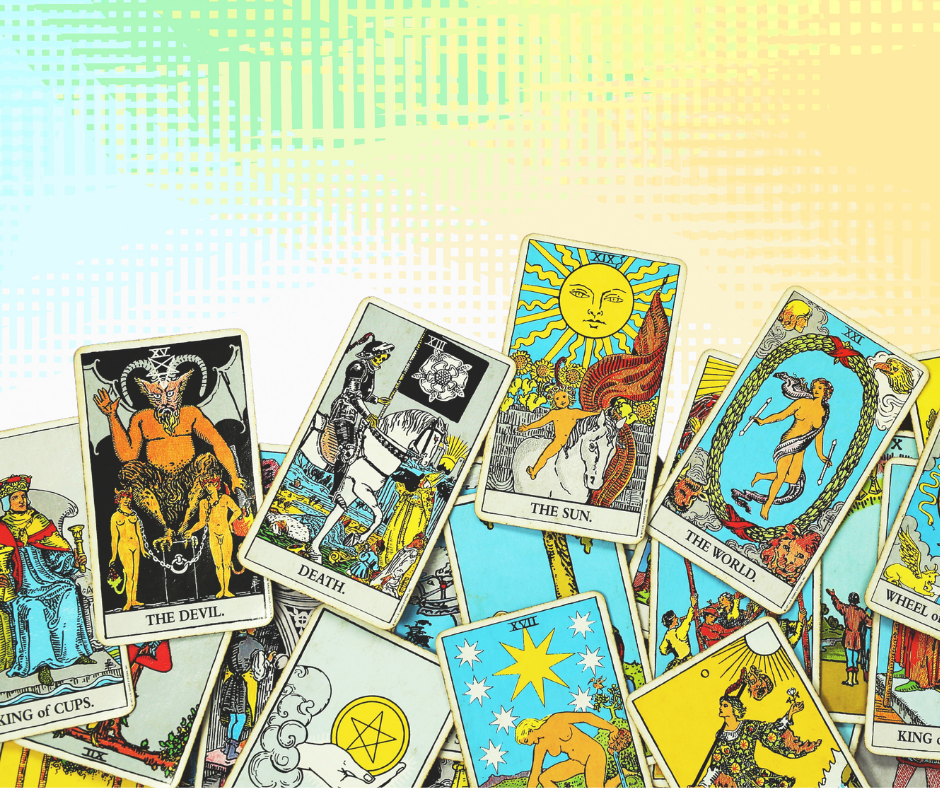
The traditional narrative surrounding tarot often evokes images of dim rooms, crystal balls, and mysterious figures foretelling unalterable future events. While predictive reading has its place in history, a rapidly growing movement treats the seventy-eight cards not as a crystal ball, but as a profound psychological mirror. Approaching tarot through a reflective lens transforms the deck into an objective tool for mindfulness, self-inquiry, and emotional processing. Instead of asking what will happen to you, this practice explores who you are right now and how you can consciously navigate your current reality. By shifting your mindset from fortune-telling to active introspection, you reclaim your personal agency and turn each reading session into a constructive dialogue with your own subconscious mind.
Rethinking the Cards: From Fortune-Telling to Psychological Mirrors
Using tarot for personal reflection requires a fundamental shift in how you perceive the purpose of the cards. In a predictive reading, the cards are treated as external authorities capable of peering into an absolute future timeline, a framework that can inadvertently foster a passive mindset or induce unnecessary anxiety about upcoming events. A reflective approach relies on the psychological concept of projection, where your brain naturally interprets the rich, archetypal imagery of the cards based on your current emotional state, hidden biases, and personal life experiences.
When you pull a card, you are not uncovering a hidden decree of fate; instead, you are introducing a neutral visual prompt that forces your mind to organize its thoughts from an entirely fresh perspective. For example, pulling a card that depicts a figure walking away from a stable landscape might immediately trigger thoughts about a career transition you have been too fearful to voice aloud. The imagery does not cause the transition or predict its outcome, but it pulls your genuine, underlying feelings to the surface where you can process them rationally. This methodology changes the deck from a mystical oracle into an accessible toolkit for cognitive restructuring and deep emotional awareness.
Crafting Questions That Empower Personal Agency
The entire direction of a tarot session is determined by the linguistic structure of your initial question. Predictive reading relies heavily on passive, closed questions beginning with verbs like “will I” or “when will,” which imply that your life is entirely dictated by external forces waiting to unfold. To establish a reflective practice, you must rewrite your inquiries to prioritize personal accountability, emotional exploration, and actionable strategy. This subtle linguistic adjustment changes you from a passive observer of your destiny into an active author of your choices.
Instead of asking the cards if you will get a specific promotion at work, you can reframe the inquiry to explore what skills or internal strengths you need to cultivate to make yourself the strongest candidate. If you are experiencing tension in a personal relationship, avoid asking whether your partner will apologize, and instead ask what blind spots you might be harboring in your communication style or how you can establish healthier boundaries. Reframing your questions around phrases like “what can I learn from this situation” or “how can I best support myself through this transition” guarantees that the cards deliver practical insight that you can apply immediately to improve your daily life.
Interpreting Imagery Through the Lens of Personal Experience
When you stop treating the cards as rigid codebooks with singular predictive definitions, you unlock the full power of visual storytelling. Every card in a traditional deck is packed with human body language, environmental shifts, color variations, and symbolic tools that interact directly with your immediate mood. A reflective practitioner looks at the artwork first, paying close attention to which specific element draws their eye before consulting any external guidebooks or text resources. This unfiltered immediate reaction provides a wealth of honest information about your true mental state.
If you draw a card showing a figure surrounded by heavy swords and your first instinct is to feel trapped, that emotional reaction highlights a sense of mental restriction in your waking life. However, if you look at the exact same card on a different day and notice that the figure’s bindings are loose and they could easily step away, your perspective shifts toward sudden liberation. Allowing your personal observations to lead the interpretation ensures that your readings remain entirely relevant to your unique psychological landscape. The guidebook becomes a secondary tool used to add depth and historical context rather than an absolute authority that dictates your feelings.
Structuring Spreads for Self-Discovery and Mental Clarity
Advanced predictive layouts often attempt to chart complex external timelines and the hidden motivations of third parties, a practice that frequently leads to confusion and a loss of personal focus. For a reflective practice, the most effective layouts are simple frameworks designed to map out your internal processing, emotional blockages, and potential growth strategies. Keeping your layouts minimal protects your focus and prevents the cognitive overload that occurs when you try to decode too many moving pieces simultaneously.
A highly reliable three-card framework for personal growth tracks your current situation, the internal obstacle holding you back, and the next actionable step you can take to move forward. Another excellent layout for decision-making explores your intellectual perspective on an issue, your true emotional feelings about it, and what your deeper intuition is advising you to do. By organizing the cards around these specific psychological compartments, you create a structured space to unpack complex thoughts, reduce mental clutter, and identify clear paths of action that align with your authentic values.
Integrating Reflective Tarot Into a Daily Mindfulness Routine
Cultivating a sustainable reflective practice works best when it is integrated into your regular habits of journaling, meditation, or morning reflection. Pulling a single card at the beginning of your day serves as an excellent mindfulness anchor, providing a specific archetype to contemplate as you move through your routine. This practice is entirely different from trying to guess what kind of day you will have; rather, it sets a conscious intention for how you want to show up mentally and emotionally regardless of what external events take place.
When you draw a card like the Emperor in the morning, you can use that archetype to remind yourself to maintain firm personal boundaries, organize your schedule efficiently, and speak with grounded authority throughout your meetings. At the end of the evening, revisiting that card in a journal allows you to review where you successfully embodied those qualities and where you fell short. Over time, keeping a written record of these daily visual prompts creates a highly personalized map of your emotional evolution, helping you track recurring behavioral patterns and celebrate your long-term psychological resilience.
Frequently Asked Questions
How do I handle a card that looks genuinely frightening if I am not using it to predict bad luck?
When a traditionally intimidating card like Death, the Devil, or the Tower appears in a reflective reading, it should be approached as a completely neutral psychological archetype rather than a literal threat. These illustrations depict the intense, non-negotiable transitions that every human being must experience, such as the ending of a life phase, the realization of an unhealthy habit, or the sudden collapse of an outdated belief system. When you look at these cards through a reflective lens, you ask yourself where you are holding onto old habits, what illusions you need to break free from, or how you can gracefully navigate a sudden change, transforming a scary image into an empowering invitation for deep renewal.
Can I use a reflective tarot practice to help reduce daily stress and anxiety?
Reflective tarot can be an exceptional tool for anxiety management because it externalizes your internal worries and presents them as tangible visual narratives on the table. When you feel overwhelmed by a chaotic rush of thoughts, laying down a few cards allows you to slow down, look at your concerns objectively, and categorize your feelings systematically. Seeing your anxieties mirrored in a structured layout strips them of their abstract, overwhelming power, changing a vague state of panic into a series of specific, manageable concepts that you can consciously address through rational problem-solving.
Is it necessary to memorize all seventy-eight traditional card meanings to get value from a reflective practice?
Absolute memorization is completely unnecessary when your primary goal is personal reflection and self-inquiry. Because reflective reading relies heavily on visual storytelling and psychological projection, your raw, immediate interpretation of the illustrated characters, colors, and landscapes is far more valuable than a textbook definition. Knowing the historical baseline of the cards can certainly enrich your understanding over time, but you can begin extracting profound personal insights from your very first session simply by trusting your eyes, honoring your emotional responses, and using the guidebook as a casual companion rather than a strict law.
Wrap-Up
Transitioning your tarot practice from a tool of prediction to an engine for personal reflection empowers you to take absolute ownership of your life journey. By stepping away from the anxiety of trying to guess an unwritten future, you ground your awareness firmly in the present moment where real change actually happens. The cards serve as a brilliant, non-judgmental sounding board, cutting through the noise of daily distractions to reveal your deepest truths, hidden strengths, and emotional blockages. Treat each shuffling session as a deliberate act of mindfulness and a dedication to your long-term emotional well-being. As you continue to sit with your deck, crafting intentional questions and exploring the rich symbolism through your own life experiences, you will discover that the true magic of tarot does not lie in its ability to tell you what is coming, but in its profound capacity to show you who you are capable of becoming.