Have you ever watched a compelling film, read a bestseller, or stood before a classic painting with the feeling that a secret dialogue was hidden beneath the surface? You are absolutely right. Storytellers and visual artists rarely incorporate objects, animals, or weather phenomena into their work by chance. They always communicate through an ancient visual language. The problem for most modern consumers is that we have lost the ‘dictionary’ to interpret this visual language, causing us to appreciate brilliant media works only superficially. When you only see the literal meaning of the story, you miss the profound psychological hints and emotional foreshadowing that the creators have carefully incorporated.
Understanding how to recognize common mythological symbols can transform your daily media consumption from passive entertainment into a highly engaging and interactive experience. These ancient symbols, acting as a kind of shortcut to a story, can directly convey a character’s true intentions, hidden fears, or final twist in their narrative. By learning to interpret this universal symbolic language, you gain a ‘behind-the-scenes’ pass to the human imagination. This comprehensive guide leads you step-by-step through practical methods to identify these ancient elements, allowing you to immediately deepen your appreciation for modern storytelling and visual design without needing a degree in classical literature.
The hidden ancient narrative language in modern media
The main reason for the enormous gap between what creators incorporate into their works and what the public actually perceives is the rapid modernization of society. Our ancestors were fully immersed in nature, which meant they could directly understand animal behavior, the harsh reality of seasonal changes, and the symbolism of the natural world. The modern audience, on the other hand, lives largely indoors and experiences nature through screens. This discrepancy has a profound impact on readers and viewers, as they often regard birds in films or storms in books as mere background decoration rather than crucial information in the story. When you ignore these elements, you lose the rich and moving subtext that can truly touch people.
The most effective way to overcome this modern blind spot is by actively asking questions about prominent natural elements or recurring objects in media works. When a particular animal, a specific color, or a certain weather pattern recurs just before a major plot twist, you must ask yourself what universal human traits these things represent. Storytellers use these symbols to bypass logical thinking and appeal directly to your emotional instincts. If you pause for a moment to consider why the director chose to show a soaring eagle instead of a scurrying mouse when the hero appears, you can immediately grasp the hidden thematic layers in the scene.
A perfect modern example is the frequent use of owls in the *Harry Potter* series. To the average viewer, they are simply magical messengers. In Greek mythology, however, the owl is the sacred animal of Athena, the goddess of wisdom, strategy, and knowledge. By filling the wizarding school with this specific bird, the author subtly suggests to the reader that the story ultimately revolves around the acquisition of knowledge and the strategic struggle between ignorance and truth. Psychologists, particularly those studying Carl Jung’s theory of the collective unconscious, emphasize that these symbols still resonate strongly with today’s audience because they are deeply rooted in our psychological heritage. Even if we cannot consciously recall the mythological names, they automatically evoke emotional responses.
Understanding the Snake and the Dragon: Symbols of Change
In contemporary media, the snake is one of the most misunderstood symbols. This misunderstanding stems from the profound influence of modern Western culture on readers, causing them to view snakes as symbols of ultimate evil, deceit, or demons. This highly polarized perspective has a major impact on the audience’s interpretation of complex characters or ambiguous plots. When viewers automatically assume that any character associated with a reptilian image is an absolute villain, they completely ignore the ancient and dualistic nature of the snake. In ancient folklore, the snake is rarely merely a monster; it symbolizes worldly wisdom, hidden knowledge, and dramatic personal transformation. To successfully interpret reptilian images without falling into the trap of modern prejudices, you must pay close attention to the actual behavior of the animal within.
The meaning of this symbol has undergone a radical transformation. In these examples, the snake represents a painful but necessary process of rebirth, healing, and letting go of old identities. Learning to observe how symbols work, rather than just the symbols themselves, will fundamentally change your way of predicting character development.
This duality is brilliantly reflected in modern medical brands and fantasy films. The caduceus, a staff entwined with two snakes, is now widely recognized as a symbol of medicine and healing, directly derived from Hermes and Asclepius, the Greek god of medicine. The snake’s ability to shed its skin makes it the ultimate metaphor for recovery from illness and a fresh start in the ancient world. Conversely, Smaug the dragon in *The Lord of the Rings* represents the poisonous, stagnant side of the snake archetype, which hinders the growth of the dwarves. Anthropologists and mythologists often lead readers past the direct fear of these beings and view them instead as extreme catalysts for change, forcing human protagonists to evolve or face their downfall.
The symbolism of the sun and the moon as symbols of the balance of power
Understanding the ever-shifting power dynamics in complex novels or films often stems from overlooking the conscious use of light and celestial imagery. This problem arises because the average viewer typically focuses exclusively on dialogue to determine dominance in relationships. This excessive emphasis on verbal communication blinds viewers to the visual hierarchy created by the artist, which has a profound influence on their viewing experience. When you ignore the light, color, and celestial imagery associated with characters, you miss the subtle, silent shifts in power and changes in inner emotional states that form the core of the story.
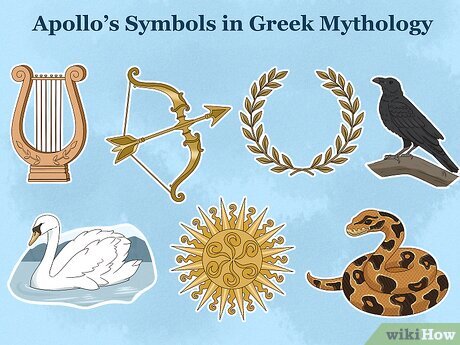
A practical way to uncover these hidden power dynamics is to actively observe whether characters are consistently associated with images of the sun or the moon. The sun, historically closely associated with gods such as Apollo or Ra, represents almost universal consciousness, pronounced truth, public authority, and unwavering masculinity. The moon, associated with goddesses like Artemis or Selene, stands for intuition, mystery, emotional depth, and gentle femininity. By observing whether a character moves with ease in the shimmering, golden sunlight or in the silver shadows, one can immediately sense their psychological state. When these two diametrically opposed characters eventually clash or fall in love, the artist visually tells a story about finding a balance between logic and emotion.
Take, for example, the visual representations of two of the most famous comic book characters: Superman and Batman. Superman is, in fact, empowered by the yellow sun; his story takes place in the glittering city during the day, and he represents the absolute truth, justice, and social responsibility symbolized by the sun. Batman, on the other hand, is the embodiment of the moon; He operates only at night, makes use of fear and shadows, and relies entirely on his inner, hidden intuition to solve crimes in Gotham’s underworld. Literary scholars have repeatedly pointed out that when creators pit these two archetypal figures against each other, they are not merely depicting a boxing match; they are exploring the age-old mythological tension between the conscious, law-abiding mind and the chaotic, intuitive subconscious.
Discovering the Tree of Life and the Descent into the Underworld
When viewers overlook a character’s vertical movement within a given scene, a wealth of crucial narrative information is completely lost. This blind spot exists because we are accustomed to viewing film scenes and locations in novels merely as physical backdrops for the story. This ignorance of architectural structures can prevent viewers from recognizing when a character crosses profound psychological boundaries. When a hero enters a dark cellar, descends into a deep cave, or ascends a gleaming skyscraper in an elevator, he does not simply change locations; He explores the ancient and mysterious geography of the human soul.
To put this concept into practice, one must first analyze the physical ascents a character experiences during his most emotionally vulnerable moments. Ancient myths generally divide the universe into three distinct realms: the celestial realm on the branches of the world tree, the mortal realm on the trunk, and the terrifying underworld deep within the roots.
The popular TV series *Stranger Things* uses this mythological framework with astonishing precision. The entire story is based on the existence of the “Upside Down World,” a dark, decaying underworld, a mirror image of reality. When the characters enter this dark dimension, they are in fact reenacting the ancient myth of Orpheus descending into the underworld to rescue trapped souls, thereby directly referencing Orpheus’ adventures in Greek mythology. Story consultants and script analysts make frequent use of this vertical dimension to create compelling character development. They advise writers that heroes can only achieve true enlightenment in the metaphorical treetops by overcoming their own subconscious, terrifying roots.
Interpreting water and storms as catalysts for rebirth
One of the most common pitfalls in modern media analysis is viewing torrential rain, oceans, or storms merely as mood-setting devices. This analytical error exists because modern weather is largely merely a daily annoyance during the commute, causing the awe-inspiring, terrifying power that ancient cultures attributed to natural elements to be completely lost. This modern indifference has a significant impact on the reading and viewing experience and diminishes the emotional climax of the story. When viewers regard a character standing in a downpour merely as a visually dramatic choice, they completely miss the profound spiritual transformation that the creators are trying to convey.
To actively interpret the presence of water in art and story, one must train oneself to see liquid as an active, vibrant medium of transformation, and not merely as a detail in the environment. In myths around the world, water represents the absolute origin of life and the chaotic void of destruction. When a character is completely submerged in a river, trapped on a sinking boat, or swept away by a massive hurricane, he or she enters a state of total vulnerability, in which his or her original identity is ruthlessly stripped away. A practical viewing tip is to carefully compare a character’s personality before and after he or she has become soaked. You will notice that water almost always acts as a clear dividing line, permanently washing away a character’s past mistakes and baptizing him or her into a new, evolved state.
A well-known example of a symbolic baptism can be seen in the climax of the film *The Shawshank Redemption*. After the protagonist has crawled through a suffocating, filthy tunnel, he finds himself in a fierce storm. He tears open his shirt, raises his hands, and lets the rain cleanse him. This is not just a dramatic escape scene; it is a carefully created visual representation of a soul enduring a hellish ordeal and undergoing a truly mythical rebirth. Screenwriters and literary scholars unanimously emphasize that in modern media, being baptized by water is the most reliable sign that a character has definitively crossed a psychological threshold and can never return to his or her former state.
| Mythological Symbol | Core Ancient Meaning | Modern Media Example | Practical Viewing Tip |
| Birds of Prey / Owls | Divine wisdom, spiritual messengers, strategic foresight. | Hedwig and the owls in the Harry Potter series. | Note when birds appear; they usually foreshadow a message of truth or a call to action. |
| The Serpent / Dragon | Dual nature: rebirth and healing, or greed and stagnation. | The medical caduceus (healing) vs. Smaug the Dragon (greed). | Look at the snake’s action. Shedding skin implies growth; guarding treasure implies emotional blockage. |
| Sun and Moon Motifs | The tension between conscious logic (sun) and hidden intuition (moon). | Superman (solar truth) vs. Batman (lunar intuition). | Track character colors (gold vs. silver) to understand who represents logic and who represents emotion. |
| Vertical Movement | Ascending to enlightenment or descending into the traumatic underworld. | The Upside Down in Stranger Things as the mythological underworld. | Pay attention when characters go into basements or caves; they are about to face their deepest internal fears. |
| Water and Storms | The chaotic destruction of the old self and the baptism of the new. | The climactic rainstorm escape in The Shawshank Redemption. | Compare a character’s mindset before and after they are submerged in water to see their emotional evolution. |
Frequently Asked Questions
Why do modern writers still make extensive use of ancient mythological symbols?
Modern writers rely on these ancient symbols because they convey emotions in an extremely efficient way. Instead of laboriously explaining a character’s inner transformation for fifty pages, a writer can simply describe a scene—such as a character surviving a storm or emerging from a dark cave. Because people have been telling these stories around campfires for thousands of years, our brains are biologically programmed to immediately recognize these specific environmental metaphors and respond to them emotionally, without explicit explanation.
Can a mythological symbol have multiple contradictory meanings?
Yes, mythological symbols are inherently complex and often have double or even contradictory meanings, entirely dependent on the context of the scene. Fire in a hearth, for example, is a classic symbol of divine inspiration, civilization, warmth, and comfort. But when the fire gets out of control, it immediately becomes a terrifying symbol of uncontrollable rage, divine punishment, and total destruction. To find the correct meaning, one must always analyze how the symbol interacts with the protagonist at a given moment. How can I train myself to quickly recognize these hidden symbols in films?
The most effective way to train symbol recognition is to briefly and completely ignore the dialogue in emotionally charged scenes. Focus entirely on the background, the lighting, and the specific colors the costume designer has chosen for the characters. When you consciously separate visual information from the dialogue, recurring themes—such as recurring mirrors, shadows, or specific animals—will quickly become apparent.
Are these symbols placed intentionally by the director, or are they accidental?
Although some brilliant artistic choices are indeed pleasant surprises, the vast majority of symbols are carefully planned by the creative team. In mainstream films and high-quality literature, costume designers, set designers, and authors spend months researching historical themes, color psychology, and archetypal imagery to ensure that visual elements align perfectly with the thematic goals of the story. In high-quality works, the presence of an element is not accidental; every object is carefully chosen to serve the story.
What is the difference between mythological symbols and ordinary metaphors? Ordinary metaphors are typically direct, self-contained comparisons used by a particular author to explain a concept within his or her unique story, such as, for example, that a character’s heart is a cold stone. Mythological symbols, on the other hand, are ubiquitous and ancient images that have been disseminated by diverse civilizations for thousands of years and hold immense cultural significance. Whereas ordinary metaphors require context from the author to be understood, mythological symbols appeal to humanity’s collective subconscious and evoke direct and powerful emotional responses.
Can different cultures interpret the exact same symbols in art differently?
Absolutely. Although many symbols possess universal human characteristics, cultural geography has a major influence on the final interpretation. In the harsh climate of ancient Europe, for example, dragons were often depicted as terrifying, fire-breathing monsters, symbolizing destruction and greed. In contrast, in ancient Asian cultures, where the survival of agriculture depended heavily on seasonal rainfall, dragons were closely associated with water, clouds, and the protection of benevolent gods. When interpreting symbols in works of art, it is essential to take their cultural origins into account.
How can understanding these visual cues improve my reading comprehension?
Understanding these cues can significantly improve reading comprehension, allowing you to proactively predict character developments and plot twists before the text explicitly reveals them. When you realize that the author places a character associated with the sun in direct conflict with a character associated with the moon, you immediately understand that this conflict cannot be resolved by having one kill the other. You know instinctively that the story must end with a healthy balance between the two forces, which fundamentally changes how you analyze the chapters leading to the climax.
In short, learning to recognize common mythological symbols will revolutionize how you engage with human creativity. You will no longer be a passive recipient these symbols, originating from legends of thousands of years ago, form an enduring bond between humanity.
The next time you watch a highly acclaimed film or open a classic literary work, challenge yourself to look beyond the story itself. Observe closely the raging storms, the animals hiding in the background, and the deliberate steps of the characters in the shadows. When you begin to recognize these timeless patterns, you will not only discover the deeper meanings of the media you are watching but also gain a new and profound framework for understanding the heroic journeys and necessary transformations in your own life.
References
-
Harvard University Department of Folklore and Mythology. (n.d.). Comparative Mythology and Literary Symbolism. Academic resources on identifying ancient narrative structures in contemporary literature.
-
The C.G. Jung Institute. (n.d.). Archetypes and the Collective Unconscious. Research documentation exploring how ancient visual symbols trigger universal psychological responses in modern audiences.
-
Joseph Campbell Foundation. (n.d.). The Hero’s Journey and the Monomyth Framework. Educational materials analyzing the recurring environmental motifs and threshold crossings in global storytelling.
-
Yale University Department of Classics. (n.d.). Classical Receptions in Contemporary Media. Academic publications detailing the adaptation of Greco-Roman visual language in modern cinema and branding.