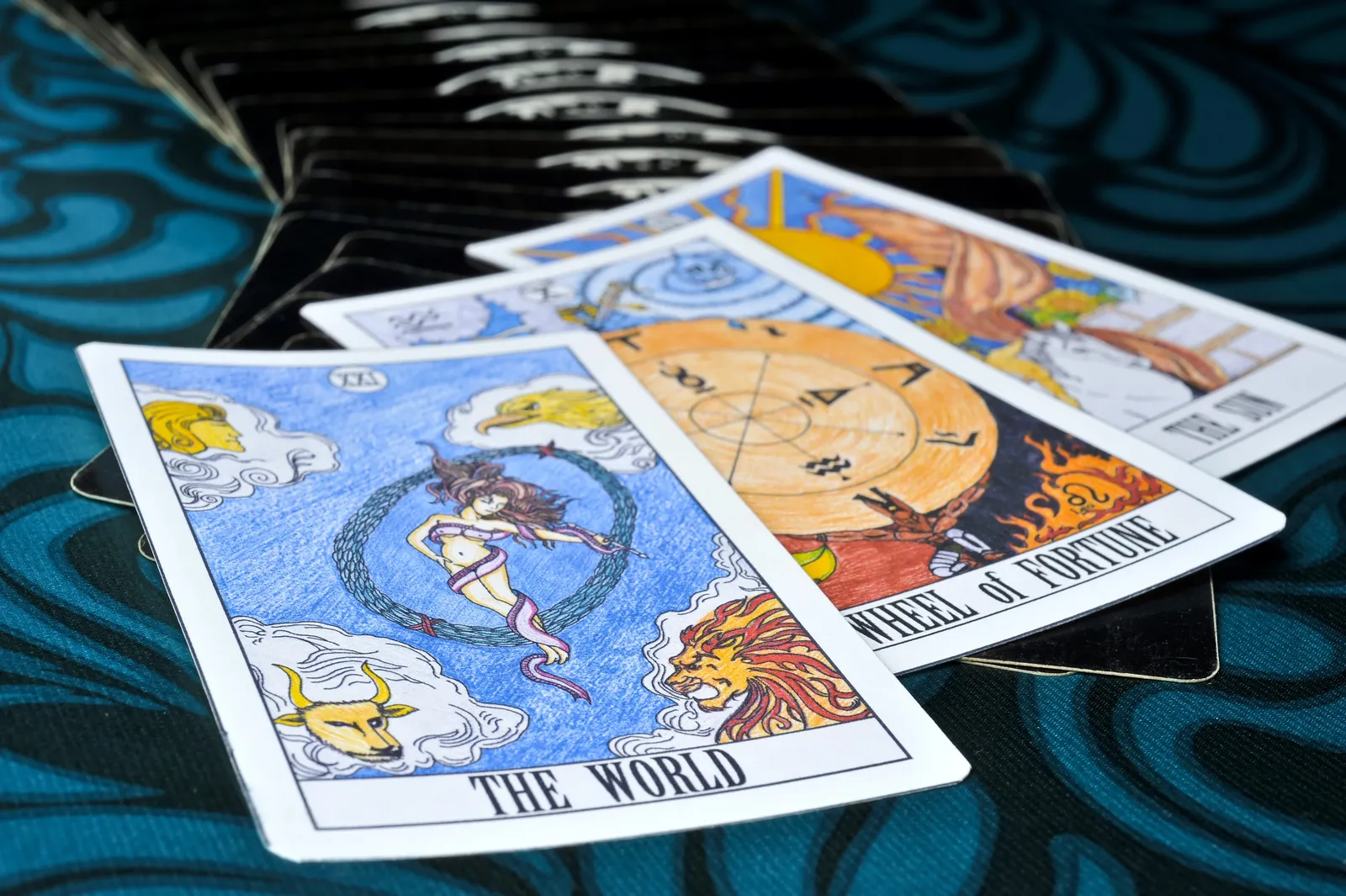
When you open a traditional deck of tarot cards for the first time, you are looking at a system divided into two distinct sections known as the Major Arcana and the Minor Arcana. While the Minor Arcana cards deal with the fleeting, day-to-day events, practical tasks, and temporary emotions of life, the twenty-two cards of the Major Arcana hold an entirely different level of significance. These cards represent the foundational archetypes, overarching universal laws, and monumental turning points that shape the human experience. Understanding what the Major Arcana represents is like learning the tectonic movements of your life story, helping you recognize the profound psychological and spiritual lessons underlying your current circumstances.
The Concept of the Fool’s Journey as a Master Narrative
To understand the Major Arcana without getting lost in a sea of independent definitions, it is incredibly helpful to view these twenty-two cards as consecutive chapters in a single cohesive story called the Fool’s Journey. The narrative begins with the Fool, who holds the numerical designation of zero, representing an unwritten slate, absolute innocence, and the boundless potential of a newborn soul. As the Fool walks through the remaining twenty-one cards, they encounter various mentors, institutional structures, internal crises, and spiritual awakenings. Each card represents a necessary milestone or psychological phase that every human being must pass through to achieve emotional maturity, self-actualization, and a deep sense of universal connection.
The Initial Phase of Outer Development and Worldly Structure
The first portion of the Fool’s Journey focuses primarily on how we establish our identity, learn to communicate, and navigate the material world during the first half of life. Right after stepping out onto their path, the Fool encounters the Magician and the High Priestess, who represent the balance between conscious action and subconscious intuition. The Magician teaches the Fool how to utilize tangible tools and willpower to manifest goals in the physical world, while the High Priestess invites them to sit in silence and trust the quiet voice of inner wisdom. This dynamic balance teaches the student that every outward action must be informed by a deeper, reflective internal truth.
As the journey continues outward into society, the Fool encounters the foundational parental and societal structures required to build a stable life. The Empress provides the nurturing energy of nature, creativity, and material abundance, teaching the importance of emotional growth and comfort. Immediately following, the Emperor introduces structure, authority, logic, and protective boundaries, showing the Fool how to organize chaos into a stable environment. The Hierophant then introduces the Fool to formal education, traditional belief systems, and institutional structures, establishing a firm connection to cultural heritage and shared community values before the individual begins to forge an independent path.
The Middle Phase of Personal Choices and Internal Crises
Once the external foundation is firmly established, the narrative shifts inward, focusing heavily on personal relationships, ethical choices, and the sudden disruption of outgrown habits. The Lovers card marks a major turning point where the Fool learns to make independent choices based on personal values rather than simply following parental or societal rules. This choice propels them into the Chariot, a card of intense determination, willpower, and victory, where the individual learns to control opposing forces and drive their life forward through sheer focus. Strength soon follows to refine this raw ambition, reminding the reader that true fortitude is rooted in quiet patience, compassion, and emotional endurance rather than brute physical force.
The maturity gained from these experiences naturally leads to a period of deep introspection, famously represented by the Hermit, who steps away from social noise to seek an authentic inner truth. Upon returning to the world, the Fool discovers the Wheel of Fortune, learning that life is governed by cyclical changes, unpredictable ups and downs, and forces completely outside of human control. Justice appears to restore equilibrium, teaching that every action carries a consequence and that a mature individual must accept absolute accountability for their choices. This accountability leads directly to the Hanged Man, a card of voluntary surrender, pause, and viewing a stagnant situation from an entirely new perspective to gain a sudden flash of spiritual clarity.
The Final Phase of Spiritual Transformation and Ultimate Integration
The final chapter of the Major Arcana plunges the individual into profound psychological transformation and ultimate cosmic alignment. This transformative crucible begins with Death, which rarely represents literal physical mortality but instead signals the natural, necessary ending of a major life cycle to make room for a new beginning. Temperance arrives in the wake of this clearing to teach moderation, healing, and the masterful blending of opposites to create inner peace. However, this peace is tested by the Devil, a card that exposes the unhealthy attachments, illusions, material addictions, and self-imposed chains that keep a person trapped in fear.
When those self-imposed illusions become unsustainable, the universe delivers the explosive energy of the Tower, a sudden, dramatic collapse of outdated structures that shatters false security to reveal a clean baseline of truth. From the ruins of the Tower, the Star emerges as a beautiful beacon of hope, healing, vulnerability, and spiritual renewal, soothing the reader’s spirit with a sense of cosmic protection. The journey then deepens into the mysterious landscape of the Moon, where the individual must confront hidden anxieties, illusions, and subconscious fears in the dark. This dark night of the soul gives way to the brilliant clarity of the Sun, celebrating joy, vitality, absolute truth, and radiant success.
As the epic narrative draws to a close, Judgment calls upon the individual to review their entire life path, integrate their hard-won wisdom, and answer a higher personal calling with a clear, liberated conscience. This final awakening culminates beautifully in the World, the twenty-first and ultimate card of the Major Arcana, representing complete integration, triumph, wholeness, and the successful completion of a major evolutionary loop. The Fool has evolved from an innocent wanderer into a fully self-actualized master of their reality, ready to eventually begin the spiral of life all over again from an elevated plane of consciousness.
Frequently Asked Questions
What is the practical difference between pulling a Major Arcana card versus a Minor Arcana card in a standard spread?
When a Major Arcana card appears in your layout, it indicates that the situation you are inquiring about is tied to a major, non-negotiable life lesson or a significant psychological milestone that requires your full attention. These cards deal with overarching themes that you cannot easily alter with quick fixes or superficial actions. In contrast, Minor Arcana cards represent the daily details, passing moods, and practical tasks that are highly subject to change based on your immediate choices, acting as the scenery along the road while the Major Arcana represents the destination itself.
Why does the Fool hold the numerical designation of zero instead of number one?
The Fool is assigned the number zero because it exists completely outside of the established numerical structure, representing a state of pure potential before form or limitations are introduced. In many mathematical and philosophical systems, zero is both nothing and everything simultaneously, serving as the void from which all creation emerges. By placing the Fool at the very beginning as zero, the tarot architecture emphasizes that the character is a clean slate, unburdened by past baggage or preconceived notions, allowing them to step into any of the subsequent twenty-one lessons without bias.
Does pulling the Death card or the Tower card mean that something catastrophic is guaranteed to happen in my life?
Pulling the Death or Tower card is absolutely not a guarantee of physical harm or negative tragedy, and fearing these illustrations is one of the most common mistakes a new reader can make. These cards are psychological metaphors for necessary change, with Death representing the natural fading away of a phase, relationship, or belief system that no longer serves your personal development. The Tower represents a sudden breakthrough or revelation that collapses an unstable, dishonest, or unhealthy foundation in your life, ultimately clearing a space for the beautiful healing energy of the Star to take root.
Wrap-Up
The twenty-two cards of the Major Arcana serve as a profound psychological map detailing the collective human journey from naive innocence to complete spiritual integration. By viewing these cards through the continuous framework of the Fool’s Journey, you can easily look past intimidating esoteric symbols and connect with the universal human experiences they represent. Whether you are navigating the structural discipline of the Emperor, the introspective silence of the Hermit, or the sudden liberation of the Tower, these archetypes remind us that every challenge we face is an essential milestone designed to cultivate wisdom, resilience, and deeper empathy. As you continue to practice reading your spreads, treat the appearance of a Major Arcana card as an empowering invitation to step back from daily noise, look at the grand architecture of your life, and consciously embrace the profound transformation unfolding within your soul.