
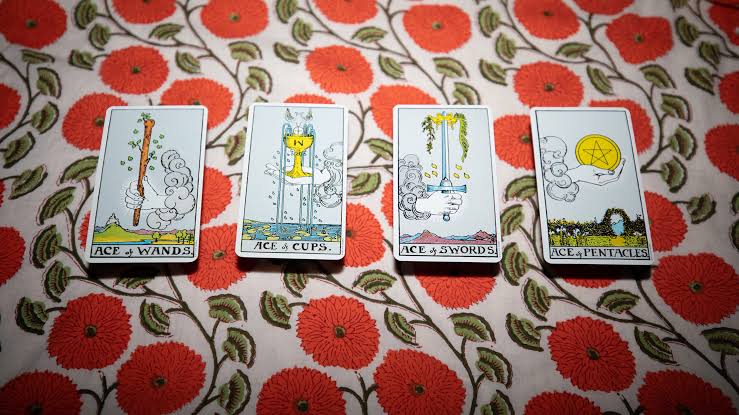
The Psychological Risk of Externalizing Personal Agency
The primary reason individuals fall into the trap of making impulsive, life-altering choices based on a tarot layout is a psychological phenomenon known as externalizing your locus of control. When you face an immense amount of real-world stress or uncertainty, the mental fatigue of analyzing options can cause you to crave an external entity to take the blame or make the choice for you. By convincing yourself that the cards have dictated a specific action, you effectively shield yourself from the immediate weight of responsibility. If the choice results in a negative outcome, you can simply blame bad luck or a poorly aligned deck rather than confronting your own strategic errors.
When you consistently outsource your critical thinking to a randomized draw of cards, you gradually erode your trust in your own cognitive capabilities. This behavior can manifest as a deep-seated paralysis where you feel completely unable to send an important email, have an honest conversation with a partner, or make an everyday purchase without first consulting a spread. Over time, this total reliance creates an artificial state of dependency that leaves you far more vulnerable to external manipulation and emotional instability. Instead of acting as an empowered individual who actively shapes their environment, you become a passive observer waiting for an external set of symbols to give you permission to live your life.
To read tarot cards responsibly, you must consciously shift your perspective to view the deck as an internal mirror rather than an external authority. The cards do not possess an independent mind, nor do they hold a secret blueprint of your destiny that overrides your critical faculties. When an intriguing card appears in a reading, it simply serves as a catalyst to unlock thoughts, anxieties, or desires that are already resting inside your subconscious mind. Recognizing that you are the sole author of your life choices allows you to appreciate the creative imagery of a deck without ever allowing it to override your common sense or your logical evaluation of real-world facts.
Framing Questions for Constructive Self-Reflection
The entire tone and outcome of a tarot session are determined long before you shuffle the deck, rooted entirely in how you choose to structure your initial inquiry. Many individuals approach the cards with highly deterministic, passive questions that naturally invite anxiety and clear confirmation bias. Inquiries such as whether a specific business venture will fail or if a romantic partner will choose to leave create a psychological trap by implying that the future is already completely locked into place. If a visually intimidating card appears in response to a poorly framed question, it can easily trigger a wave of panic that drives you to make rash, defensive decisions in your daily life.
To prevent this emotional downward spiral, responsible practitioners utilize a method of proactive questioning that keeps the focus entirely on personal accountability and actionable solutions. Instead of asking if you will lose your job, a much more constructive approach is to ask what specific actions you can take to improve your professional performance or how you can build a more secure career safety net. This simple shift in language completely alters how your brain processes the visual data on the cards. It transforms the session from a passive, fearful attempt at predicting the future into an active, analytical brainstorming meeting with yourself.
Consider a practical example where a person is feeling deeply unfulfilled in their current living situation and is debating a sudden, expensive move to another city. If they ask the cards a direct question about whether they should move, they are inviting an impulsive decision based on a highly subjective interpretation of a few symbols. If they instead frame the question to explore what underlying emotional needs they are trying to meet by changing their environment, the resulting cards might highlight a need for community or a desire to escape unresolved personal conflicts. This insight allows them to address the root cause of their restlessness logically, preventing them from spending thousands of dollars on a relocation that might not actually solve their internal problems.
Navigating Emotional Vulnerability and Confirmation Bias
Human beings are naturally wired to look for patterns that confirm their existing fears, hopes, or deeply held biases, a tendency that psychologists refer to as confirmation bias. When you are in a state of high emotional distress—such as the immediate aftermath of a bad breakup or during a intense financial crisis—your ability to interpret symbols objectively drops to near zero. If you pick up a deck of cards while your nervous system is in a fight-or-flight state, you will almost certainly project your intense anxieties or desperate wishful thinking directly onto the artwork. You will see absolute confirmation of your worst fears in a neutral card, or you will twist a warning card into a sign that everything will magically resolve itself without any effort on your part.
A major warning sign of irresponsible card usage is a behavior often called stalking the deck, which involves drawing cards repeatedly for the identical question within a short period. This happens when a person receives an answer they dislike or find emotionally uncomfortable, driving them to shuffle and draw again and again until they finally receive a card that validates their immediate desires. This frantic loop does nothing to solve the underlying real-world issue; instead, it deepens your cognitive confusion and heightens your emotional exhaustion. It is a clear sign that you are looking for an escape hatch from reality rather than a tool for genuine, honest self-examination.
To manage these biases, you should establish a firm rule never to read cards for yourself when you are experiencing acute emotional panic or extreme anger. When you do conduct a reading during calmer moments, it is highly useful to maintain a written journal where you document the layout, your initial emotional reactions, and the actual real-world outcomes over several months. Reviewing these records with a cool, analytical mindset allows you to spot your own patterns of projection and bias. You will begin to see exactly where your interpretations were warped by your temporary emotions, helping you build a much more mature, disciplined, and grounded relationship with the practice over the long term.
Establishing Clear Ethical Boundaries in Personal Practice
Reading tarot responsibly requires a strict set of personal boundaries, especially when your practice involves other people or attempts to analyze situations outside your direct control. A highly common but ethically problematic use of the cards involves trying to peer into the private thoughts, hidden motivations, or personal lives of third parties who have not given their explicit consent. Spending hours laying out cards to figure out what an ex-partner is thinking, or trying to divine the secret flaws of a coworker, is a massive misuse of the tool that almost always generates distorted assumptions and unnecessary interpersonal drama.
The fundamental flaw in this approach is that you are using a subjective mirror to draw definitive conclusions about another complex human being who isn’t there to speak for themselves. The cards you pull in such a reading will only reflect your own projections, fears, or assumptions about that person, not their actual internal reality. If you choose to alter your behavior toward a friend or colleague based on what you think the cards revealed about their character, you can easily damage real-world trust and sabotage perfectly healthy relationships over a complete illusion.
A responsible, ethically sound tarot practice maintains a strict, unyielding policy: the cards must always keep the focus entirely on the person who is actually sitting in front of the deck. If a client or friend asks how another person feels about them, a responsible reader will gracefully redirect the inquiry to focus on how the client can communicate more effectively or how they can handle their own boundaries within that relationship. By keeping the analytical lens focused entirely on the individual seeking guidance, you protect the privacy of others and ensure that the session results in meaningful self-empowerment rather than speculative gossip.
Distinguishing Intuitive Guidance from Professional Advice
Perhaps the most critical boundary to maintain when engaging with tarot is the clear, absolute separation between intuitive self-reflection and professional real-world consulting. In recent years, a dangerous trend has emerged where individuals treat tarot readers or their own personal decks as a viable substitute for trained financial planners, legal counsel, or licensed medical professionals. Consulting a layout of cards to decide whether you should halt a medical treatment, sign a complex legal contract, or invest your life savings into a volatile market is an incredibly reckless behavior that can result in catastrophic real-world harm.
Tarot cards are designed to interact with archetypes, emotional concepts, and broad psychological patterns; they are completely incapable of analyzing tax codes, diagnosing physical illnesses, or evaluating the structural integrity of a financial portfolio. When a card like the Wheel of Fortune or the Ace of Pentacles appears, it might inspire you to think about abundance or change, but it cannot calculate your debt-to-income ratio or verify the legality of a mortgage agreement. Mistaking an intuitive insight for technical expertise is a fundamental error in judgment that leaves you entirely unprotected against severe real-world losses.
Expert practitioners and responsible enthusiasts protect themselves and others by treating tarot strictly as a supplemental tool for emotional processing, creative brainstorming, and mental clarity. If a reading highlights a massive amount of anxiety surrounding your finances or your health, the responsible next step is not to pull more cards, but rather to pick up the phone and schedule an appointment with a licensed expert in that specific field. Use the mental clarity you gained from your reflection to organize your thoughts, prepare intelligent questions, and face your professional appointments with a calm, focused, and thoroughly prepared mind.
Habits of Responsible versus Impulsive Tarot Reading
The following table provides a direct, side-by-side comparison between responsible tarot practices that preserve your personal autonomy and impulsive habits that can lead to poor decision-making.
| Feature of Practice | Responsible Tarot Usage | Impulsive Tarot Usage |
| Core Intent of Reading | Seeking internal clarity, emotional processing, and creative brainstorming. | Attempting to predict absolute future events or avoid personal choices. |
| Question Structure | Open-ended and focused entirely on personal accountability and action. | Passive, deterministic, and looking for binary yes-or-no commands. |
| Emotional Timing | Conducted only when calm, objective, and grounded in reality. | Conducted during moments of intense panic, anger, or acute distress. |
| Handling of Bad Cards | Viewed as a helpful metaphor for areas that require extra focus or boundary-setting. | Interpreted as a literal curse or an omen of unavoidable real-world failure. |
| Frequency of Inquiry | Cards are drawn once per situation, followed by real-world action and reflection. | Pulling cards continuously for the same question until a desired answer appears. |
| Professional Boundaries | Used strictly as a complement to real-world logic and professional expert advice. | Utilized as a total substitute for medical, legal, or financial professionals. |
Frequently Asked Questions
What should I do if a tarot reading seems to tell me to make a huge change that I don’t feel ready for?
If a reading suggests a massive shift that feels uncomfortable or wrong, you should pause and remember that the cards carry no actual authority over your life. The appearance of a card indicating change simply means that your subconscious mind is exploring the concept of transition, or that you are feeling a hidden sense of restlessness in your current environment. It is never a command that you must follow blindly. Take the insight as a simple prompt to look closer at your current situation, evaluate the practical risks logically, and make your final decision based on real-world facts, financial security, and your personal comfort level.
How can I stop myself from becoming emotionally dependent on drawing tarot cards every day?
Preventing dependency requires you to build strict, clear structural boundaries around how and when you interact with your deck. You can start by limiting your practice to a single, structured reading per week, or by using the cards exclusively for creative writing prompts rather than personal dilemmas. If you find yourself reaching for the deck out of a sense of intense anxiety or a feeling that you cannot make a daily choice without them, it is a clear sign to put the deck away in a drawer for a few weeks. Focus your energy instead on building practical mindfulness habits, consulting trusted friends, and practicing small, independent decisions to rebuild your confidence.
Can a professional tarot reader accurately diagnose a health issue or predict a medical outcome?
A tarot reader cannot diagnose any physical or mental health medical condition, nor can they predict the outcome of any medical treatment. Tarot is a tool for metaphorical and psychological reflection, not a diagnostic medical instrument. Any reader who claims to diagnose illnesses or offers medical advice is violating basic professional ethics and engaging in highly dangerous behavior. If you have any concerns about your physical well-being or mental health, you must bypass the tarot deck entirely and consult a licensed healthcare professional who possesses the necessary medical training, diagnostic equipment, and legal authority to help you.
Is it wrong to ask the tarot cards questions about what my ex-partner or friends are doing?
While it is a very common impulse, focusing your readings on the private lives or hidden thoughts of others is highly counterproductive and ethically problematic. Because the cards function as a mirror for the person holding them, a layout about someone else will only show your own fears, hopes, or assumptions about that person rather than their actual reality. This can easily lead to false conclusions, paranoia, and unnecessary arguments in your real-world relationships. To keep your practice helpful and accurate, always reframe your questions to focus on your own actions, your emotional responses, and the boundaries you can control.
How do I handle a situation where a client wants to make a reckless life choice based on a reading I gave them?
If you are reading cards for someone else and notice them reacting with impulsive, reckless enthusiasm, you have an ethical obligation to step in and ground the conversation immediately. Explicitly remind the client that the cards are simply a creative tool for brainstorming possibilities, not a literal command or a guarantee of success. Encourage them to step away from the deck, speak with a professional advisor in the relevant field, and construct a detailed, practical plan before making any major moves. Setting this firm boundary protects both your professional integrity as a reader and the real-world well-being of your client.
Why do I always seem to get the exact same scary cards every time I try to do a reading?
Consistently drawing the same challenging cards usually means that you are approaching the deck with the exact same unresolved anxiety or mental loop every single time. Because your mind is heavily focused on a specific fear or conflict, your subconscious will automatically latch onto and highlight those specific symbols within the artwork, creating an artificial sense of repetition. It can also happen if you are simply shuffling poorly or reading while emotionally overwhelmed. When this pattern occurs, it is a helpful signal to stop reading about that specific topic entirely, step away from the deck, and address the issue through practical, real-world action or professional support.
Cultivating a Grounded and Empowered Approach
Using tarot as a supportive tool for self-awareness can be an incredibly enriching practice, provided that you keep your feet firmly planted on the ground of objective reality. The core value of the seventy-eight cards does not lie in an imaginary ability to dictate your future or remove the natural discomfort of making hard choices. Instead, the true utility of the deck is found in its capacity to help you slow down, organize your internal thoughts, and look at your personal dilemmas from an entirely new creative perspective. When you learn to approach the cards with an objective, disciplined mind, they stop being a source of anxiety or impulsive behavior and transform into a reliable sanctuary for peaceful mindfulness.
Ultimately, your personal sovereignty is the most valuable financial, emotional, and intellectual asset you possess, and it must never be surrendered to any external system or tool. No card layout can ever know your unique strength, understand your precise financial limits, or match the deep wisdom of your own analytical mind. By maintaining strict ethical boundaries, keeping your questions focused on personal accountability, and always validating intuitive insights with real-world facts, you can enjoy the beautiful art of tarot safely and responsibly. Use the deck to illuminate your thoughts, but always trust your own hands to steer the ship of your destiny.
References
-
American Psychological Association (APA). Extensive clinical research documentation regarding the locus of control, cognitive processing under acute stress, and the psychological mechanics of confirmation bias.
-
The National Center for Complementary and Integrative Health (NCCIH). Professional operational guidelines emphasizing the critical importance of utilizing evidence-based medicine over intuitive practices for health concerns.
-
Nichols, Sallie. Jung and Tarot: An Archetypal Journey. A highly regarded psychological text exploring the direct application of Carl Jung’s psychological concepts and universal human archetypes to the study of tarot symbolism.
-
The Association for Professional Tarot Readers (APTR). Global industry compliance standards, code of ethics, and boundary-setting blueprints for conducting responsible, client-focused intuitive consultations.
-
Pollack, Rachel. Seventy-Eight Degrees of Wisdom: A Book of Tarot. A foundational contemporary text highlighting the non-predictive, introspective, and highly analytical framework of modern card interpretation methods.